Mumbai is home to many remarkable historic places in Mumbai that reveal the city’s rich past far beyond its famous modern landmarks. From ancient caves and sacred water tanks to heritage villages and architectural treasures, these locations offer a unique way to explore the city’s roots.
Whether you are a curious traveller, a photography enthusiast or a local looking for a different weekend experience, exploring Mumbai’s hidden gems can be a refreshing change from the usual sightseeing circuit. From heritage neighbourhoods to green spaces tucked between busy suburbs, here are some lesser-known places worth discovering.
1. Historic Places in Mumbai : Architectural Hidden Gems
Mumbai’s history extends far beyond its famous colonial buildings. In fact, its older neighbourhoods, religious sites and unusual rock formations preserve stories that have survived centuries of urban change.
Historic places in Mumbai: Banganga Tank
Historic architecture in Khotachiwadi Mumbai
Banganga Tank, Walkeshwar
Banganga Tank is an ancient sacred water tank surrounded by temples, stone steps and traditional homes. As you walk around the tank, you can experience a quieter side of Mumbai that feels far removed from the busy streets outside.
Gilbert Hill, Andheri West
Gilbert Hill is a striking rock formation that rises above the surrounding neighbourhood. It offers a fascinating glimpse into Mumbai’s geological history and is an interesting stop for anyone who enjoys unusual natural landmarks.
Kanheri Caves, Borivali
Located inside Sanjay Gandhi National Park, Kanheri Caves feature ancient Buddhist caves, monasteries and rock-cut sculptures. Moreover, the surrounding greenery makes the site an excellent choice for visitors interested in both history and nature.
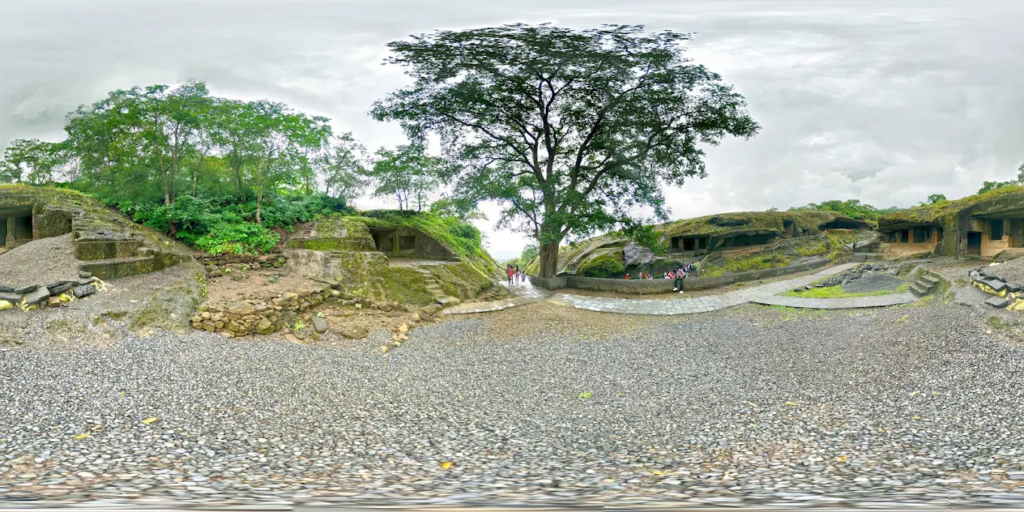
Ancient Buddhist Kanheri Caves, one of the historic places in Mumbai
Image alt text: Ancient Buddhist Kanheri Caves in Mumbai.
Khotachiwadi, Girgaon
Khotachiwadi is a historic neighbourhood known for its traditional wooden houses and narrow lanes. As a result, it is especially appealing to architecture lovers and photographers who want to explore Mumbai’s older residential areas.
Ranwar Village, Bandra
Ranwar Village combines heritage homes, colourful facades and contemporary street art. In addition, its narrow lanes offer a glimpse of how older neighbourhoods continue to evolve alongside modern Mumbai.
Khotachiwadi and Ranwar Village are living residential neighbourhoods. Therefore, visitors should keep noise low and avoid photographing residents or private interiors without permission.
2. Local Markets, Bookshops, Cultural and Historic Places in Mumbai
Some of Mumbai’s most interesting discoveries are found in everyday streets rather than major tourist attractions. From historic markets to independent bookstores, these places offer a closer look at the city’s creative and commercial life.
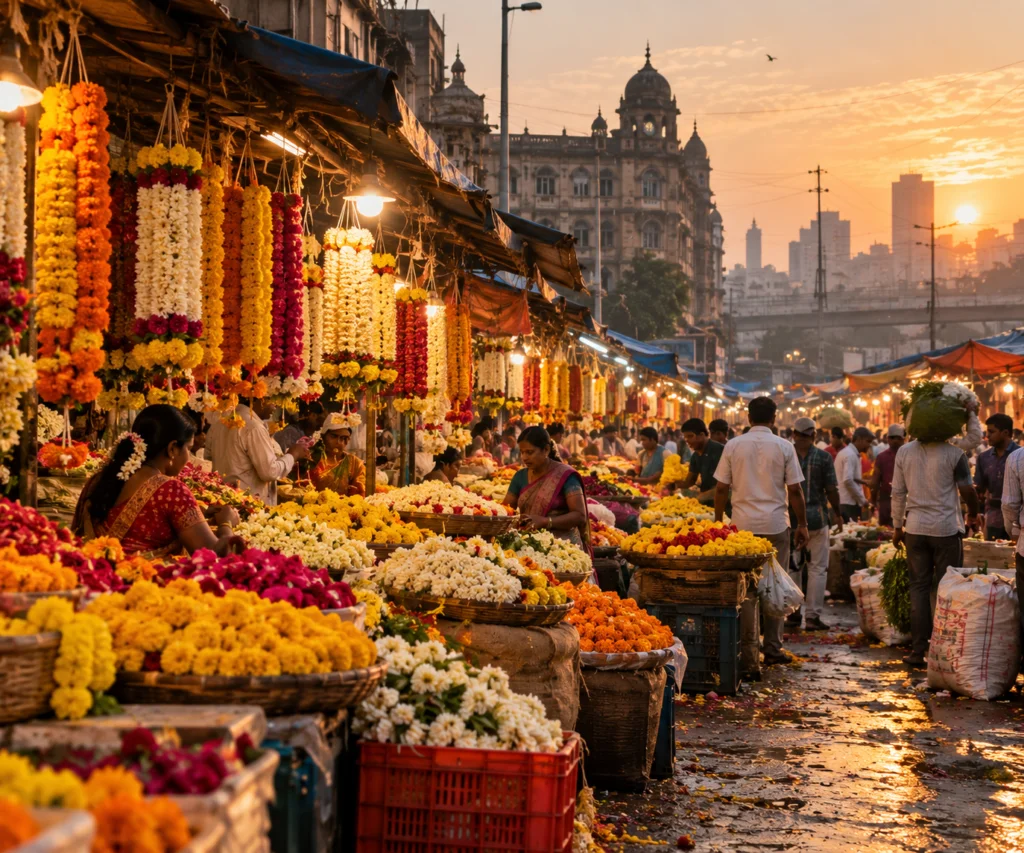
Colourful flower stalls at Dadar Flower Market in Mumbai
Kitaab Khana, Fort
Kitaab Khana is an independent bookstore where visitors can browse books across different genres. Consequently, it makes a worthwhile stop for readers exploring the Fort neighbourhood.
Dadar Flower Market, Phool Galli
The Dadar Flower Market is filled with fresh flowers, garlands and busy wholesale activity. For the best experience, visit early in the morning when vendors are arranging colourful displays and the market is full of activity.
Chor Bazaar, South Mumbai
Chor Bazaar is known for antiques, vintage objects, furniture and second-hand finds. However, it is best to compare prices and check the authenticity of items before making a purchase.
Bandra’s Neighbourhood Lanes
Bandra is home to independent shops, small creative businesses, street art and heritage architecture. For example, you can explore the lanes around Ranwar Village to discover a mix of old homes and contemporary creative spaces.
Local Bakeries and Delis
Mumbai’s neighbourhood bakeries and delis are also worth discovering. Places such as Maska Bakery in Mahim and East 7 Deli in Bandra may be worth adding to your route. However, check their current operating details before visiting.
Overall, these places are best explored slowly. Take time to browse, notice the details and enjoy unexpected discoveries along the way.
Photography tip: Dadar Flower Market is especially rewarding for close-up photographs of colourful blooms and garlands. Nevertheless, always ask permission before photographing individuals.
3. Nature Trails and Coastal Escapes places in Mumbai
Although Mumbai is known for its busy streets and fast-paced lifestyle, it also has green spaces and coastal areas where visitors can slow down. These destinations are ideal for a relaxed day out without travelling too far from the city.

Coastal escape near Mumbai at Manori Beach
Coastal escape located near major historic places in mumbai
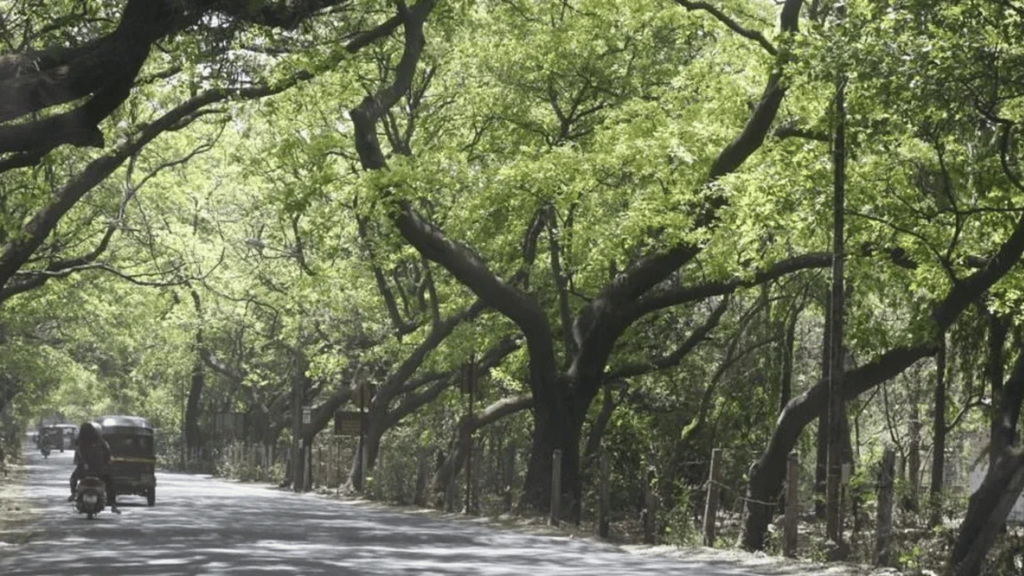
Green nature escape around Aarey in Mumbai
Nature and green spaces close to historic places in mumbai
Gorai and Manori
Gorai and Manori offer a more relaxed coastal atmosphere, with ferry connections, village surroundings and waterfront views. Before travelling, check the latest ferry schedules and local transport options.
Uttan
Uttan is known for its coastal scenery and fishing-community heritage. As a result, it offers a different perspective on life along Mumbai’s northern coastline.
Chhota Kashmir, Aarey
Chhota Kashmir is a green recreational area that has traditionally attracted visitors looking for a quieter outdoor setting. However, access, facilities and boating availability may change, so check the latest information before planning your visit.
Dana Pani Beach
Located in the Madh-Marve coastal area, Dana Pani Beach can offer a more relaxed alternative to Mumbai’s busier beaches. Nevertheless, access, sea conditions and crowd levels can vary.
These destinations are particularly appealing to photographers, nature lovers and anyone seeking a change of pace. During the monsoon, the greenery becomes more vibrant. However, heavy rain, rough seas and slippery paths can make outdoor trips risky, so always follow local weather and safety advisories.
4. Unique Historical Places in Mumbai
For travellers who enjoy learning about the past, Mumbai offers experiences beyond conventional sightseeing. In particular, its ancient caves, heritage areas and guided walks provide a deeper understanding of the city.
Raj Bhavan Bunker Museum
The underground bunker at Maharashtra’s Raj Bhavan complex offers a glimpse into the area’s colonial-era military history. However, visits depend on official access arrangements and booking availability. Therefore, confirm the current visitor policy before making plans.
Explore Kanheri Caves in Greater Detail
Kanheri Caves deserve more time than a quick stop. Their rock-cut prayer halls, residential spaces and sculptures help explain the importance of the site in Buddhist history. In addition, the surrounding national park makes the visit suitable for people who enjoy combining history with the outdoors.
Join a Heritage Walk
A guided heritage walk through Fort, Khotachiwadi or Bandra can reveal details that visitors might otherwise miss. For example, a knowledgeable guide can explain architectural features, local stories and how these neighbourhoods have changed over time.
Ultimately, these experiences are ideal for travellers who want to understand a place rather than simply tick off popular attractions.
5. Practical Tips for Exploring Historic Places in Mumbai
A little planning can make your trip easier and more enjoyable. Keep these tips in mind before heading out.
- Start early: Visit flower markets around dawn when activity is high. Meanwhile, explore heritage neighbourhoods during daylight hours.
- Wear comfortable footwear: Historic lanes, uneven stone paths and cave routes can involve considerable walking.
- Plan your transport: Local trains, metro services and buses can help you reach major neighbourhoods. From there, a taxi or auto-rickshaw may be useful for the last part of your journey.
- Respect local communities: Heritage villages are living residential spaces, not open-air museums. Therefore, avoid trespassing, excessive noise and intrusive photography.
- Check opening hours: Museums, cave complexes and restricted properties may have specific entry rules or closures. Always confirm details before visiting.
- Travel responsibly: During the monsoon, check weather alerts, ferry schedules and coastal conditions before heading outdoors.
Quick Guide to Historic Places in Mumbai and Nearby Hidden Gems
| Experience | Recommended destination | Best suited for |
|---|---|---|
| Historic architecture | Khotachiwadi | Architecture lovers |
| Spiritual heritage | Banganga Tank | History and culture enthusiasts |
| Geological curiosity | Gilbert Hill | Nature and photography enthusiasts |
| Ancient Buddhist heritage | Kanheri Caves | History lovers and hikers |
| Local market culture | Dadar Flower Market | Photographers and curious travellers |
| Vintage discoveries | Chor Bazaar | Collectors and antique enthusiasts |
| Coastal escape | Gorai or Manori | Relaxed day trips |
Frequently Asked Questions
1. What are some historic places in Mumbai worth visiting?
Some notable places include Banganga Tank, Kanheri Caves, Khotachiwadi, Ranwar Village and Gilbert Hill. Each offers a different experience, from ancient heritage and architecture to geological history and traditional neighbourhoods.
2. Are Mumbai’s hidden gems accessible by public transport?
Many places can be reached by local train, metro, bus or taxi. However, some destinations require an additional road journey. For example, Kanheri Caves are located inside Sanjay Gandhi National Park, so visitors should account for travel from the park entrance to the caves.
3. Do these places require advance bookings?
Many neighbourhood streets and markets can be explored without advance reservations. However, museums, guided heritage walks and restricted attractions may require tickets or prior booking. Therefore, verify the latest visitor arrangements before travelling.
4. When is the best time to explore historic places in Mumbai?
November to February is generally comfortable for outdoor exploration. In addition, early mornings are ideal for markets, while daylight hours are preferable for heritage neighbourhoods. Although the monsoon brings lush greenery, check weather and access conditions before visiting outdoor destinations.
5. Are Mumbai’s hidden gems suitable for solo travellers?
Many heritage walks, bookstores, markets and established public attractions can be explored independently. Nevertheless, choose suitable visiting hours, stay aware of your surroundings and plan your return transport in advance, especially when visiting coastal areas with fewer transport connections.
Conclusion
The historic places in Mumbai reveal a side of the city that goes beyond its famous monuments and busy neighbourhoods. From the stone steps of an ancient tank to the architecture of a quiet heritage village, these places offer a deeper understanding of Mumbai’s history, creativity and everyday life.
By exploring these lesser-known places, you can discover a richer side of the city while supporting the communities that make its neighbourhoods special. So, take your time, travel responsibly and leave room for unexpected discoveries.
After all, sometimes the best way to understand Mumbai is to explore the stories hidden in plain sight.